
Room 404 Group Georgia political strategy, communications & public affairs
Read the room.
Political strategy and public affairs, rooted in Georgia.
We advise candidates, elected officials and organizations on campaigns, messaging and the decisions that move public opinion. Three partners, one table, and advice you may not enjoy hearing.
Who we work with
- Candidates
- Elected officials
- Public affairs groups
- Coalitions
- Local and state leaders
- Institutions facing a public fight
What we do
Campaigns, public affairs, government, media and the research behind them. Most clients need two or three of these at once. Pick one to read more.
 No. 01 / 06
“Every campaign has a plan. The good ones also know what happens on the Tuesday it stops working.”
Whether to run, how to win, and what to do when the plan breaks.
Voters are still people.

“We know what a precinct map can tell you. We also know what it can't tell you about the person in the checkout line at a Kroger in Macon.”
Between us we've spent years in campaigns, government, newsrooms and policy fights. That experience is the filter. We use data and AI tools where they help, and we check their work, because a confident wrong answer costs more in politics than almost anywhere else.
We won't promise certainty. Nobody honest can. We'll tell you what the evidence says, where it runs out, and what we'd do in your seat.
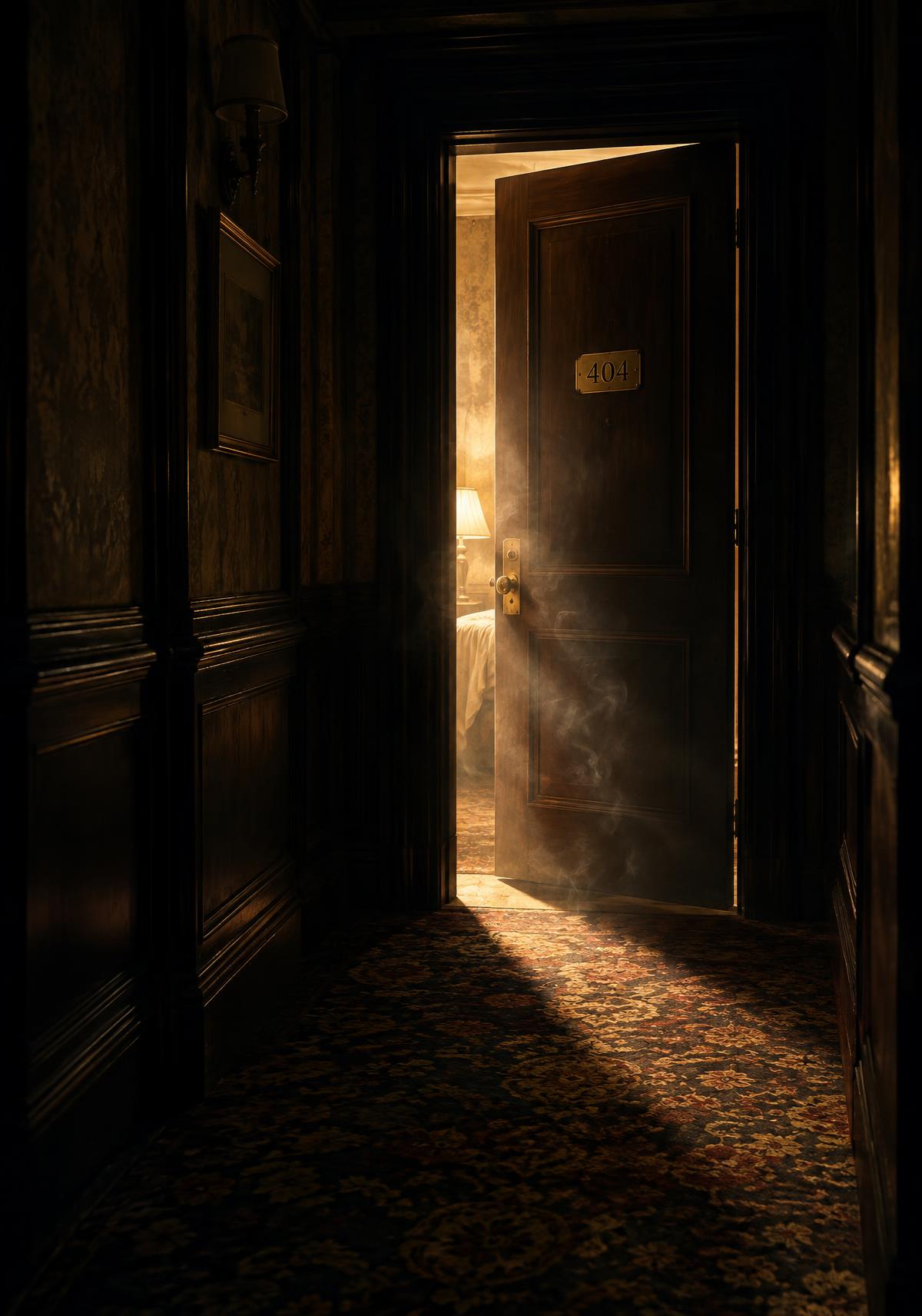
Some rooms don't show up in search results.
Those are usually the ones where decisions get made. We'd like you to walk in prepared.
We turn down work.
Our client list is short on purpose.
We take on candidates, officials and organizations we'd be proud to stand behind. A party label doesn't settle it. This list does:
- 01Good character
- 02Serious about the job
- 03Prepared to do the work
- 04Willing to hear no
- 05In it to serve the public
- 06Someone we believe in
Money can buy an ad. It can't buy our judgment.
If the right advice is “don't run,” you'll hear it from us. If you want someone to call every idea brilliant, plenty of consultants will do that and send an invoice.
It opens for people who want the truth, including the parts about themselves.
- No victory wall.
- No client roll call.
- No selfies with elected officials.
Some things don't belong on a homepage.
We work on hard decisions, public fights and close races, often in meetings where every phone is face down on the table. Clients tell us things they'd never say into a microphone, and we keep it that way.
The work is sometimes public. The trust never is.
The people in the room
The three partners came to politics by different routes. Between them are years spent building businesses, working on community and public affairs, studying elections, dealing with government, asking uncomfortable questions and explaining complicated issues to the public.
That range changes the advice. A poll is useful. A precinct map is useful. Knowing what people in a town will actually believe, and what an elected official can realistically get done, is useful too. The best calls usually draw on all three.

One table. Three seats. No yes-men.
Areas of collective experience. The background below is shared across the three partners, not one biography per card.
Experience 01
Business, government and public affairs
Years spent running private businesses and working on community and regional economic development. That experience shapes the advice: how a government decision actually lands on employers, taxpayers and neighborhoods, and which people need to hear about it first.
Experience 02
Elections and political judgment
Campaign strategy, candidate assessment and the electoral math behind them. Reading polls and turnout patterns, finding persuadable voters, building coalitions, and making the tough calls a race demands, including when the numbers say something a candidate would rather not hear.
Experience 03
Communications, research and technology
Journalism, message development and press work, along with public-records digging and analysis of government budgets and policy. Crisis communication when a story breaks. Modern AI-assisted research, used properly: sources checked, human judgment in charge.
We argue through the options before recommending one. Clients get the conclusion, not three competing invoices.
Symbolic image, not portraits. You'll meet the partners on the first call.
The original smoke-filled room.

In the early hours of June 12, 1920, the Republican convention in Chicago had been deadlocked for days and the public proceedings had nothing left to offer. The useful part of the night moved to a suite at the Blackstone Hotel. Cigar smoke, midnight coffee, shirtsleeves. A small circle of party leaders and strategists sat around weighing risks, trading speeches for a working sense of timing, persuasion, and how a stalemate actually breaks.
By the next morning the convention had a way forward, and Warren G. Harding was the nominee. A reporter's line about a “smoke-filled room” went out over the wires and became one of the most quoted phrases in politics. What we admire about that night is the read on human nature, and the candor to say plainly what would and wouldn't work while everyone else was still performing for the cameras.
We took Room 404 as our name for the same reason. A famous room that nobody can quite locate, carrying the number the internet uses for “not found,” suited a firm that does its best work out of public view. A century later, the cigars are optional. The value of sound judgment isn't.
Sources: Encyclopedia of Chicago (opens in new tab) · The Blackstone Hotel (opens in new tab) · The Spectator, 1984 (opens in new tab)
Good things start behind closed doors.
Tell us what you're trying to change, what's in the way, and why we should care.
Private conversations are where people tell the truth. That's the only reason we keep them private.